

INTRODUCCIÓN
Cómo utilizar este curso-
Cómo son los writings de un examen de inglés
-
Topics de cada tipo de writing
-
Cómo son los speakings de un examen de inglés
-
Frases útiles para el speaking
- ESSENTIAL TOPICS — MAIN IDEAStopics# Traditional and online shopping
-
topics# Different kinds of holidays
-
topics# Multi-generational relationships
-
topics# Plans with your family & friends
-
topics# Childhood memories
-
topics# Modern and traditional families
-
topics# Achieving work-life balance
-
topics# What does a healthy lifestyle look like?
-
topics# How to unwind according to science
-
topics# Money & personal finance
-
topics# Recycling
-
topics# Global warming
-
topics# Protecting endangered species
-
topics# GMOs & food safety
-
topics# Vegans & veganism
-
topics# Feminism & equality
-
topics# Beauty standards and self-image
-
topics# The dangers of fake news
-
topics# Crime & punishment
-
topics# Privately vs publicly-funded education
-
topics# School subjects and their importance
-
topics# City center vs the suburbs
-
topics# Gentrification under discussion
-
topics# The Internet & screen time
-
topics# Social media: pros & cons
-
topics# Smartphone apps: how we use them
-
topics# What is nomophobia?
- SPECIFIC TOPICS — 1 EDUCATIONtopics# Education as an opportunity
-
topics# Who's responsible for children's education?
-
topics# The importance of reading
-
topics# Home-schooling vs regular schools
-
topics# How to tackle bullying in schools
-
topics# How to learn a new language
- SPECIFIC TOPICS — 2 TECHNOLOGYtopics# Robots & the job market
-
topics# Universal basic income
-
topics# The rise of robotics and UBI
-
topics# New communication possibilities
-
topics# The impact of technology on our health
-
topics# Cryptocurrencies: what & how
-
topics# Genetic engineering & designer babies
-
topics# Digital nomadism
- SPECIFIC TOPICS — 3 SOCIAL ISSUEStopics# The impact of low income on health
-
topics# The struggles of immigrants
-
topics# The decline of malls in the USA
-
topics# Stereotyping & racial profiling
-
topics# Surveillance, public safety & privacy
-
topics# Social inequalities
-
topics# Navigating your quarter-life crisis
-
topics# Gun ownership
-
topics# The impact of reality TV
-
topics# Addressing mental health issues
-
topics# Alternative medicine & homeopathy
-
topics# Animals in sports & science
-
topics# Eating disorders
-
topics# Beauty is in the eye of the beholder
-
topics# The impacts (and guilt) of traveling
-
topics# Living abroad is life-changing
-
topics# Modern-day dating & relationships
-
topics# Women empowerment
-
topics# Deforestation and ecosystem collapse
-
topics# Waste management & water conservation
-
topics# The problem with blackfacing
-
topics# Cultural appropriation vs cultural appreciation
-
topics# Fast fashion under scrutiny
- SPECIFIC TOPICS — 4 MONEY & WORKtopics# What is a successful life
-
topics# Does money bring happiness?
-
topics# Consumerism
-
topics# Work-related challenges & stress
-
topics# The four-day working week
-
topics# Understanding the pay gap


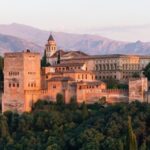



of holidays
of holidays

En esta lección sobre topics para exámenes de inglés vamos a hablar sobre los diferentes tipos de viajes y vacaciones que puede haber. Hablamos de viajes de pareja, escapadas urbanas, cruceros…
Es un topic bastante frecuente en niveles más intermedios-bajos como B1 o B2.1, donde generalmente nos preguntan directamente por nuestra experiencia personal al respecto, además de hacer preguntas generales sobre el tema y sobre nuestra opinión.
Es uno de los temas que más frecuentemente aparecen en los speakings de niveles A & B, siempre relacionados con nuestra experiencia personal. Además, tanto en los exámenes de la EOI como de Cambridge, este tema también suele entrar en el article o en la review de la parte de writing.
En exámenes de inglés de nivel C, el tema de las vacaciones puede entrar, pero siempre tiene un enfoque más de debate como, por ejemplo, la gentrificación o el impacto del turismo en el medioambiente.
Como siempre, para tener una visión completa sobre este topic de examen y, además, poder recordar bien las ideas que necesitamos para el examen, esta lección está organizada con un reading, una lista con las ideas principales del tema y otra lista con el vocabulario clave y collocations.
reading
El reading está pensado para ayudarte a comprender el tema e ir entrando en materia y, además, incluye las ideas clave sobre el tema. También vas a poder ver el vocabulario específico y algunas collocations usadas en contexto, lo que siempre nos ayuda a entender cómo se tienen que usar.
Usa este texto como inspiración pero ten en cuenta que memorizarlo para hacer un writing es una mala idea, ya que no corresponde al formato que se pide en los exámenes. Esta diseñado con el objetivo de que aprendas sobre este topic, con estructuras repetitivas e ideas recurrentes —no es una plantilla para writings.
Puedes escuchar el audio mientras vas leyendo el reading para ti. De esta manera también mejoras la pronunciación y la entonación. Si no sabes alguna palabra, haz doble click sobre ella para abrir el diccionario online de Merriam-Webster.
| En esta lección, hay dos versiones del mismo reading, de nivel esencial (B1 & B2.1) y de nivel avanzado (B2.2, C1 & C2). Elige la que corresponda a tu examen. |
Holidays are an amazing opportunity for individuals to relax and escape the routine of their daily lives. Different people have different preferences when it comes to selecting the type of holiday they want to experience. There are numerous kinds of holidays to choose from, including solo traveling, sea and sun holidays, backpacking, resorts, cruises, city breaks, romantic getaways, cultural vacations, and outdoors holidays.
Solo traveling is an excellent option for those who prefer to travel alone. This type of vacation allows individuals to be free from any constraints that might arise from traveling with others, allowing them to do whatever they want whenever they want. Solo traveling can be a great way to meet new people and gain new experiences.
Sea and sun holidays are perfect for those who enjoy relaxing on the beach and soaking up the sun. These types of vacations are usually located near the coast or on an island, where individuals can enjoy water sports or simply lounging on the beach. This type of holiday is popular with families, as there are plenty of activities for children to enjoy.
Backpacking holidays are the answer for individuals who enjoy adventure and exploring new places. This type of vacation usually involves traveling to various destinations, staying in hostels or camping, and carrying everything in a backpack. Backpacking allows individuals to experience different cultures and landscapes, meet new people, and learn about different ways of life.
Resorts are another popular type of holiday, which offers a more luxurious experience. These types of vacations are usually located in tropical destinations and offer a range of amenities, such as swimming pools, spas, and restaurants. Resorts are perfect for those who want to relax and unwind while enjoying all the comforts of home.
Cruises are a wonderful way to travel and explore different destinations while enjoying all the amenities of a floating hotel. Cruises offer a wide range of activities, including dining, entertainment, and excursions to various ports of call. This type of vacation is ideal for those who want to see different destinations without the hassle of arranging travel and accommodation.
City breaks can be interesting for individuals who enjoy exploring the history, culture, and attractions of different cities. This type of holiday usually involves staying in a hotel in the city center and exploring the local sights, museums, and restaurants. City breaks are perfect for those who want to learn about different cultures and explore the history and architecture of different cities.
Romantic getaways are superb for couples who want to spend some quality time together in a romantic setting. These types of vacations usually involve staying in a hotel or villa in a scenic location, enjoying candlelit dinners, and taking long walks on the beach or in the countryside. Romantic getaways are perfect for those who want to reconnect with their significant other and enjoy some relaxation time together.
Cultural vacations are ideal for those who enjoy learning about different cultures and immersing themselves in new experiences. This type of vacation involves exploring different regions and learning about their history, traditions, and way of life. Cultural vacations usually involve visiting museums, galleries, and historical landmarks.
Outdoor holidays are a fit for those who enjoy spending time in nature and participating in outdoor activities such as hiking, camping, and water sports. This type of vacation usually involves staying in cabins or campsites and enjoying the natural beauty of the surrounding landscape. Outdoor holidays are perfect for those who want to escape the hustle and bustle of city life and enjoy some time in the great outdoors.
In conclusion, there are many different types of holidays to choose from, each offering a unique experience. Whether you prefer relaxing on the beach, exploring new cultures, or embarking on an adventure, there is a holiday option that will suit your needs and preferences.
It is important to consider your budget, travel preferences, and the type of experience you want to have when selecting a holiday. Whatever type of vacation you choose, the most important thing is to enjoy your time away from your everyday life and create lasting memories.
Holidays present a remarkable opportunity for individuals to unwind and break away from the monotony of their daily routines. With an array of options available, people’s preferences diverge when it comes to selecting the ideal holiday experience. From solo adventures to sea and sun escapades, backpacking explorations, luxurious resort retreats, exhilarating cruises, immersive city breaks, romantic hideaways, culturally enriching journeys, to outdoor expeditions, the choices are abundant.
Solo travel stands as an enticing option for those inclined towards solitary exploration. It liberates individuals from the constraints of group dynamics, granting them the freedom to chart their own course at their own pace. Solo adventures not only facilitate encounters with new acquaintances but also foster personal growth through novel experiences.
For enthusiasts of sun-kissed shores, sea and sun holidays offer the epitome of relaxation. Nestled along coastlines or on idyllic islands, these vacations cater to beach loungers and water sports aficionados alike. Particularly popular among families, they promise a plethora of activities to delight children and adults alike.
Backpacking holidays cater to the adventurous souls seeking to unravel new territories. With a penchant for off-the-beaten-path discoveries, backpackers traverse diverse destinations, lodging in hostels or under the stars with their essentials strapped to their backs. Such journeys promise cultural immersion, serendipitous encounters, and an appreciation for diverse landscapes.
Resort getaways allure with their promise of indulgence and opulence. Nestled in tropical paradises, they pamper guests with luxurious amenities, from rejuvenating spas to gourmet dining. An ideal choice for those craving relaxation coupled with comfort.
Cruises offer a novel way to traverse multiple destinations while luxuriating in the amenities of a floating hotel. With a myriad of onboard activities and shore excursions, they promise a seamless blend of exploration and leisure, ideal for travelers seeking a hassle-free adventure.
City breaks beckon to the culturally inclined, inviting them to delve into the history, arts, and gastronomy of vibrant urban hubs. With centrally located accommodations, these escapes facilitate easy exploration of iconic landmarks, museums, and culinary delights.
Romantic retreats cater to couples desiring intimate moments amidst picturesque settings. Whether nestled in a secluded villa or by the beach, they offer opportunities for candlelit dinners, leisurely strolls, and shared experiences that rekindle the flames of love.
Cultural odysseys beckon to the curious souls eager to immerse themselves in the heritage and traditions of distant lands. From ancient ruins to contemporary art scenes, these journeys unveil the rich tapestry of human history and expression, fostering cross-cultural understanding.
Outdoor escapades offer solace to nature enthusiasts seeking refuge in the great outdoors. From rugged trails to serene campsites, they provide opportunities for hiking, camping, and water sports amidst breathtaking landscapes, promising respite from urban hustle and bustle.
In essence, the myriad choices in holiday experiences cater to diverse tastes and preferences. Whether seeking relaxation, exploration, or cultural immersion, the key lies in aligning one’s aspirations with the myriad offerings, ensuring a fulfilling and memorable getaway.
- nivel esencial
Holidays are an amazing opportunity for individuals to relax and escape the routine of their daily lives. Different people have different preferences when it comes to selecting the type of holiday they want to experience. There are numerous kinds of holidays to choose from, including solo traveling, sea and sun holidays, backpacking, resorts, cruises, city breaks, romantic getaways, cultural vacations, and outdoors holidays.
Solo traveling is an excellent option for those who prefer to travel alone. This type of vacation allows individuals to be free from any constraints that might arise from traveling with others, allowing them to do whatever they want whenever they want. Solo traveling can be a great way to meet new people and gain new experiences.
Sea and sun holidays are perfect for those who enjoy relaxing on the beach and soaking up the sun. These types of vacations are usually located near the coast or on an island, where individuals can enjoy water sports or simply lounging on the beach. This type of holiday is popular with families, as there are plenty of activities for children to enjoy.
Backpacking holidays are the answer for individuals who enjoy adventure and exploring new places. This type of vacation usually involves traveling to various destinations, staying in hostels or camping, and carrying everything in a backpack. Backpacking allows individuals to experience different cultures and landscapes, meet new people, and learn about different ways of life.
Resorts are another popular type of holiday, which offers a more luxurious experience. These types of vacations are usually located in tropical destinations and offer a range of amenities, such as swimming pools, spas, and restaurants. Resorts are perfect for those who want to relax and unwind while enjoying all the comforts of home.
Cruises are a wonderful way to travel and explore different destinations while enjoying all the amenities of a floating hotel. Cruises offer a wide range of activities, including dining, entertainment, and excursions to various ports of call. This type of vacation is ideal for those who want to see different destinations without the hassle of arranging travel and accommodation.
City breaks can be interesting for individuals who enjoy exploring the history, culture, and attractions of different cities. This type of holiday usually involves staying in a hotel in the city center and exploring the local sights, museums, and restaurants. City breaks are perfect for those who want to learn about different cultures and explore the history and architecture of different cities.
Romantic getaways are superb for couples who want to spend some quality time together in a romantic setting. These types of vacations usually involve staying in a hotel or villa in a scenic location, enjoying candlelit dinners, and taking long walks on the beach or in the countryside. Romantic getaways are perfect for those who want to reconnect with their significant other and enjoy some relaxation time together.
Cultural vacations are ideal for those who enjoy learning about different cultures and immersing themselves in new experiences. This type of vacation involves exploring different regions and learning about their history, traditions, and way of life. Cultural vacations usually involve visiting museums, galleries, and historical landmarks.
Outdoor holidays are a fit for those who enjoy spending time in nature and participating in outdoor activities such as hiking, camping, and water sports. This type of vacation usually involves staying in cabins or campsites and enjoying the natural beauty of the surrounding landscape. Outdoor holidays are perfect for those who want to escape the hustle and bustle of city life and enjoy some time in the great outdoors.
In conclusion, there are many different types of holidays to choose from, each offering a unique experience. Whether you prefer relaxing on the beach, exploring new cultures, or embarking on an adventure, there is a holiday option that will suit your needs and preferences.
It is important to consider your budget, travel preferences, and the type of experience you want to have when selecting a holiday. Whatever type of vacation you choose, the most important thing is to enjoy your time away from your everyday life and create lasting memories.
- nivel avanzado
Holidays present a remarkable opportunity for individuals to unwind and break away from the monotony of their daily routines. With an array of options available, people’s preferences diverge when it comes to selecting the ideal holiday experience. From solo adventures to sea and sun escapades, backpacking explorations, luxurious resort retreats, exhilarating cruises, immersive city breaks, romantic hideaways, culturally enriching journeys, to outdoor expeditions, the choices are abundant.
Solo travel stands as an enticing option for those inclined towards solitary exploration. It liberates individuals from the constraints of group dynamics, granting them the freedom to chart their own course at their own pace. Solo adventures not only facilitate encounters with new acquaintances but also foster personal growth through novel experiences.
For enthusiasts of sun-kissed shores, sea and sun holidays offer the epitome of relaxation. Nestled along coastlines or on idyllic islands, these vacations cater to beach loungers and water sports aficionados alike. Particularly popular among families, they promise a plethora of activities to delight children and adults alike.
Backpacking holidays cater to the adventurous souls seeking to unravel new territories. With a penchant for off-the-beaten-path discoveries, backpackers traverse diverse destinations, lodging in hostels or under the stars with their essentials strapped to their backs. Such journeys promise cultural immersion, serendipitous encounters, and an appreciation for diverse landscapes.
Resort getaways allure with their promise of indulgence and opulence. Nestled in tropical paradises, they pamper guests with luxurious amenities, from rejuvenating spas to gourmet dining. An ideal choice for those craving relaxation coupled with comfort.
Cruises offer a novel way to traverse multiple destinations while luxuriating in the amenities of a floating hotel. With a myriad of onboard activities and shore excursions, they promise a seamless blend of exploration and leisure, ideal for travelers seeking a hassle-free adventure.
City breaks beckon to the culturally inclined, inviting them to delve into the history, arts, and gastronomy of vibrant urban hubs. With centrally located accommodations, these escapes facilitate easy exploration of iconic landmarks, museums, and culinary delights.
Romantic retreats cater to couples desiring intimate moments amidst picturesque settings. Whether nestled in a secluded villa or by the beach, they offer opportunities for candlelit dinners, leisurely strolls, and shared experiences that rekindle the flames of love.
Cultural odysseys beckon to the curious souls eager to immerse themselves in the heritage and traditions of distant lands. From ancient ruins to contemporary art scenes, these journeys unveil the rich tapestry of human history and expression, fostering cross-cultural understanding.
Outdoor escapades offer solace to nature enthusiasts seeking refuge in the great outdoors. From rugged trails to serene campsites, they provide opportunities for hiking, camping, and water sports amidst breathtaking landscapes, promising respite from urban hustle and bustle.
In essence, the myriad choices in holiday experiences cater to diverse tastes and preferences. Whether seeking relaxation, exploration, or cultural immersion, the key lies in aligning one’s aspirations with the myriad offerings, ensuring a fulfilling and memorable getaway.
vocabulary & collocations
No es necesario que memorices absolutamente todo este vocabulario, pero intenta utilizar estas palabras cuando estes preparándote el topic, sea por tu cuenta o con ayuda.
Además de vocabulario, tienes también collocations, que son frases hechas, conjuntos de palabras que siempre se utilizan así. No las modifiques, salvo que sean verbos y los estés conjugando.
En un examen de nivel avanzado C1 o C2, es necesario que uses todo el vocabulario específico y collocations que puedas si quieres sacar buena nota. Pero no te limites a decir estas palabras por decir, úsalas con criterio, solo cuando tengan sentido en un frase, y no abuses.
Recuerda apuntar en un cuaderno aparte el vocabulario y collocations que más interesantes te resulten para hacerlo tuyo y que pase a formar parte de tu forma habitual de hablar en inglés.
Si quieres oír cómo se pronuncia una palabra, haz doble click sobre ella para abrir la entrada del diccionario con audio.
No es necesario que memorices absolutamente todo este vocabulario, pero intenta utilizar estas palabras cuando estes preparándote el topic, sea por tu cuenta o con ayuda.
Además de vocabulario, tienes también collocations, que son frases hechas, conjuntos de palabras que siempre se utilizan así. No las modifiques, salvo que sean verbos y los estés conjugando.
En un examen de nivel avanzado C1 o C2, es necesario que uses todo el vocabulario específico y collocations que puedas si quieres sacar buena nota. Pero no te limites a decir estas palabras por decir, úsalas con criterio, solo cuando tengan sentido en un frase, y no abuses.
Recuerda apuntar en un cuaderno aparte el vocabulario y collocations que más interesantes te resulten para hacerlo tuyo y que pase a formar parte de tu forma habitual de hablar en inglés.
Si quieres oír cómo se pronuncia una palabra, haz doble click sobre ella para abrir la entrada del diccionario con audio.
| ▲ | Las frases de ejemplo están pensadas para que puedas usarlas directamente en el speaking o el writing del examen. |
| Están escritas con el estilo y el vocabulario que se espera en un examen real y te ayudan a expresarte con naturalidad, precisión y buen nivel de inglés. |
| solo travelling | Solo travelling is becoming more popular among people who want independence and self-discovery |
| viajar en solitario | Viajar en solitario es cada vez más popular entre quienes buscan independencia y autodescubrimiento |
| sea and sun holidays | Sea and sun holidays attract tourists who want to relax on the beach and enjoy warm weather |
| vacaciones de sol y playa | Las vacaciones de sol y playa atraen a quienes buscan relajarse en la playa y disfrutar del buen tiempo |
| winter break | A winter break is perfect for skiing or visiting Christmas markets |
| escapada de invierno | Una escapada de invierno es perfecta para esquiar o visitar mercadillos navideños |
| romantic getaway | A romantic getaway is ideal for couples who want to spend time together away from routine |
| escapada romántica | Una escapada romántica es ideal para las parejas que quieren pasar tiempo juntos lejos de la rutina |
| cultural vacation | Cultural vacations include visiting museums, art galleries and historical sites |
| vacaciones culturales | Las vacaciones culturales incluyen visitar museos, galerías de arte y lugares históricos |
| outdoor holiday | Outdoor holidays are ideal for people who enjoy hiking, cycling or camping |
| vacaciones al aire libre | Las vacaciones al aire libre son ideales para quienes disfrutan del senderismo, el ciclismo o la acampada |
| adventure travel | Adventure travel often involves physical activity and exploring remote areas |
| viajes de aventura | Los viajes de aventura suelen implicar actividad física y la exploración de zonas remotas |
| cultural immersion | Cultural immersion allows travellers to experience daily life and traditions of another country |
| inmersión cultural | La inmersión cultural permite experimentar la vida diaria y las tradiciones de otro país |
| coastal getaway | A coastal getaway combines beautiful beaches with peaceful seaside towns |
| escapada costera | Una escapada costera combina playas preciosas con pueblos tranquilos junto al mar |
| mountain retreat | A mountain retreat is a great option for people who want peace and fresh air |
| retiro en la montaña | Un retiro en la montaña es una buena opción para quienes buscan tranquilidad y aire fresco |
| tropical vacation | Tropical vacations are famous for palm trees, white sand beaches and turquoise water |
| vacaciones tropicales | Las vacaciones tropicales se caracterizan por las palmeras, las playas de arena blanca y el agua turquesa |
| family holiday | Family holidays usually involve activities that everyone can enjoy together |
| vacaciones en familia | Las vacaciones en familia suelen incluir actividades que todos pueden disfrutar juntos |
| wellness retreat | A wellness retreat focuses on rest, meditation and a healthy lifestyle |
| retiro de bienestar | Un retiro de bienestar se centra en el descanso, la meditación y un estilo de vida saludable |
| wildlife safari | A wildlife safari gives visitors the chance to see animals in their natural habitat |
| safari de vida silvestre | Un safari de vida silvestre permite observar animales en su hábitat natural |
| eco-friendly travel | Eco-friendly travel promotes respect for the environment and local communities |
| viajes ecológicos | Los viajes ecológicos promueven el respeto por el medio ambiente y las comunidades locales |
| exotic vacation | Travellers often choose an exotic vacation to experience unusual destinations or cultures |
| vacaciones exóticas | Las personas viajeras suelen elegir unas vacaciones exóticas para conocer destinos o culturas poco comunes |
| outdoor activities | Outdoor activities such as hiking and cycling are great for staying active while travelling |
| actividades al aire libre | Las actividades al aire libre como el senderismo y el ciclismo ayudan a mantenerse activo durante los viajes |
| water sports | Water sports like surfing or diving are very popular in tropical destinations |
| deportes acuáticos | Los deportes acuáticos como el surf o el buceo son muy populares en destinos tropicales |
| amenities | Good hotels provide amenities such as free Wi-Fi, a gym and a swimming pool |
| servicios y comodidades | Los buenos hoteles ofrecen servicios como Wi-Fi gratuito, gimnasio y piscina |
| layover | During a long layover, passengers can visit the city before their next flight |
| escala | Durante una escala larga, las personas viajeras pueden visitar la ciudad antes de su próximo vuelo |
| scenic | Scenic routes offer beautiful views of the countryside or the sea |
| pintoresco / con buenas vistas | Las rutas pintorescas ofrecen vistas preciosas del campo o del mar |
| landmarks | Landmarks like the Eiffel Tower or the Colosseum attract millions of visitors each year |
| monumentos | Monumentos como la Torre Eiffel o el Coliseo atraen a millones de visitantes cada año |
| hustle and bustle | Some people enjoy the hustle and bustle of big cities, while others prefer quiet places |
| ajetreo / trajín | A algunas personas les gusta el ajetreo de las grandes ciudades, mientras que otras prefieren lugares tranquilos |
| go on holiday | Most people go on holiday in summer to relax and forget about work |
| irse de vacaciones | La mayoría de las personas se van de vacaciones en verano para relajarse y olvidarse del trabajo |
| plan a trip | It’s important to plan a trip carefully to make the most of your time |
| planear un viaje | Es importante planear un viaje con cuidado para aprovechar al máximo el tiempo |
| book a flight | Many travellers prefer to book a flight online because it’s faster and cheaper |
| reservar un vuelo | Muchas personas viajeras prefieren reservar un vuelo por Internet porque es más rápido y barato |
| go sightseeing | People usually go sightseeing to learn more about the history and culture of a city |
| hacer turismo | La gente suele hacer turismo para conocer mejor la historia y la cultura de una ciudad |
| go backpacking | Going backpacking is popular among young people who want to travel on a low budget |
| ir de mochilero | Ir de mochilero es popular entre la gente joven que quiere viajar con poco presupuesto |
| take a city break | A city break is ideal for discovering a new place without spending too much time or money |
| hacer una escapada urbana | Una escapada urbana es ideal para descubrir un lugar nuevo sin gastar demasiado tiempo ni dinero |
| go on a cruise | Going on a cruise allows travellers to visit several destinations in one trip |
| ir de crucero | Ir de crucero permite visitar varios destinos en un solo viaje |
| take a road trip | A road trip offers the freedom to stop whenever you want and explore different places |
| hacer un viaje por carretera | Un viaje por carretera ofrece la libertad de parar cuando quieras y explorar distintos lugares |
| travel on a budget | Many students travel on a budget by staying in hostels and cooking their own meals |
| viajar con poco presupuesto | Muchos estudiantes viajan con poco dinero alojándose en albergues y cocinando ellos mismos |
| get away from it all | Some people prefer quiet destinations where they can get away from it all |
| escaparse de todo / desconectar | Algunas personas prefieren destinos tranquilos donde puedan desconectar de todo |
| have a great time | People usually have a great time when the place and company are both enjoyable |
| pasarlo muy bien | La gente suele pasarlo muy bien cuando el lugar y la compañía son agradables |
| spend quality time | Holidays are a perfect opportunity to spend quality time with family or friends |
| pasar tiempo de calidad | Las vacaciones son una oportunidad perfecta para pasar tiempo de calidad con la familia o los amigos |
| enjoy the local cuisine | Trying local food is one of the best ways to enjoy the local cuisine and culture |
| disfrutar de la gastronomía local | Probar la comida del lugar es una de las mejores formas de disfrutar de su gastronomía y cultura |
| take photos | Tourists often take photos to remember the most beautiful moments of their trip |
| hacer fotos | Las personas turistas suelen hacer fotos para recordar los momentos más bonitos del viaje |
| go swimming / go diving / go surfing | Beach destinations are ideal for people who like to go swimming, diving or surfing |
| ir a nadar / bucear / hacer surf | Los destinos de playa son ideales para quienes disfrutan nadando, buceando o haciendo surf |
| enjoy breathtaking views | Travellers can enjoy breathtaking views from the top of mountains or tall buildings |
| disfrutar de vistas impresionantes | Las personas viajeras pueden disfrutar de vistas impresionantes desde lo alto de montañas o edificios |
| have an adventure | Exploring unknown places is often seen as a great way to have an adventure |
| vivir una aventura | Explorar lugares desconocidos suele considerarse una buena forma de vivir una aventura |
| once-in-a-lifetime experience | Seeing the Northern Lights or visiting Antarctica is a once-in-a-lifetime experience |
| una experiencia única en la vida | Ver las auroras boreales o visitar la Antártida es una experiencia única en la vida |
| relax on the beach | Many people choose to relax on the beach instead of visiting crowded cities |
| relajarse en la playa | Mucha gente prefiere relajarse en la playa en lugar de visitar ciudades llenas de gente |
| fully booked | Hotels are often fully booked during popular festivals or public holidays |
| completo / sin plazas disponibles | Los hoteles suelen estar completos durante los festivales populares o los días festivos |
| last-minute booking | A last-minute booking is usually more expensive than an early reservation |
| reserva de última hora | Una reserva de última hora suele ser más cara que una hecha con antelación |
| jet lag | Jet lag can make travellers feel tired and confused after long flights |
| desajuste horario | El cambio horario puede hacer que las personas viajeras se sientan cansadas y desorientadas después de vuelos largos |
| make unforgettable memories | Travelling with others is one of the best ways to make unforgettable memories |
| crear recuerdos inolvidables | Viajar con otras personas es una de las mejores formas de crear recuerdos inolvidables |
| book a room | It is advisable to book a room in advance during high season |
| reservar una habitación | Es recomendable reservar una habitación con antelación en temporada alta |
| check in / check out | Guests usually check in after 2 pm and check out before midday |
| registrarse / dejar el hotel | Las personas huéspedes suelen registrarse después de las 14:00 y dejar el hotel antes del mediodía |
| rent a car | Renting a car gives more flexibility to visit places outside the city centre |
| alquilar un coche | Alquilar un coche da más flexibilidad para visitar lugares fuera del centro |
| catch a flight | Passengers should arrive early to catch a flight without stress |
| coger un vuelo | Las personas pasajeras deben llegar con tiempo para coger el vuelo sin estrés |
| miss a flight | Heavy traffic or long queues at security can cause travellers to miss a flight |
| perder un vuelo | El tráfico intenso o las colas en seguridad pueden hacer que se pierda un vuelo |
| flight delay | A flight delay may affect connections and hotel check-in times |
| retraso de vuelo | Un retraso del vuelo puede afectar a las conexiones y a la hora de registro en el hotel |
| go through security | All passengers must go through security before reaching the boarding gate |
| pasar el control de seguridad | Todas las personas pasajeras deben pasar el control de seguridad antes de llegar a la puerta de embarque |
| carry-on luggage | Most airlines allow only one piece of carry-on luggage |
| equipaje de mano | La mayoría de aerolíneas permiten solo una pieza de equipaje de mano |
| stay in a hostel / hotel / campsite | Staying in a hostel is a budget-friendly option for short trips |
| alojarse en un albergue / hotel / camping | Alojarse en un albergue es una opción económica para viajes cortos |
| travel arrangements | Good travel arrangements include transport, accommodation, and suitable insurance |
| preparativos del viaje | Unos buenos preparativos del viaje incluyen transporte, alojamiento y un seguro adecuado |
| window seat / aisle seat | Many travellers prefer a window seat for the view and an aisle seat for easy access |
| asiento de ventana / pasillo | Mucha gente prefiere el asiento de ventana por las vistas y el de pasillo por el acceso fácil |
| lose your luggage | Losing your luggage can turn the start of a trip into a stressful experience |
| perder el equipaje | Perder el equipaje puede convertir el inicio de un viaje en una experiencia estresante |
| miss the connection | Travellers may miss the connection if their first flight or train is delayed |
| perder la conexión | Las personas viajeras pueden perder la conexión si su primer vuelo o tren se retrasa |
| run out of money | It’s important to plan expenses carefully to avoid running out of money abroad |
| quedarse sin dinero | Es importante planificar bien los gastos para no quedarse sin dinero en el extranjero |
| get sunburnt | Wearing sunscreen helps prevent getting sunburnt during long days at the beach |
| quemarse al sol | Usar protector solar ayuda a evitar quemarse al sol durante los días largos de playa |
| break down | If a car breaks down far from the city, it can ruin the travel plans |
| averiarse | Si un coche se avería lejos de la ciudad, puede arruinar los planes de viaje |
| ask for directions | When maps are unclear, it’s better to ask for directions from local people |
| pedir indicaciones | Cuando los mapas no son claros, es mejor pedir indicaciones a la gente local |
| deal with problems | Travelling abroad teaches people how to deal with problems calmly and effectively |
| enfrentarse a los problemas | Viajar al extranjero enseña a enfrentarse a los problemas con calma y eficacia |
| travel bug | People who catch the travel bug often feel the need to explore new places regularly |
| pasión por viajar | Quienes tienen pasión por viajar suelen sentir la necesidad de explorar lugares nuevos con frecuencia |
| get bitten by the travel bug | After their first trip abroad, many people get bitten by the travel bug and start planning the next one |
| empezar a tener pasión por viajar | Después de su primer viaje al extranjero, muchas personas comienzan a sentir pasión por viajar y planean el siguiente |
| travel light | Travelling light makes moving between destinations easier and less stressful |
| viajar con poco equipaje | Viajar con poco equipaje hace que desplazarse entre destinos sea más fácil y menos estresante |
| wanderlust | Wanderlust is the strong desire to travel and discover new cultures and landscapes |
| deseo intenso de viajar y descubrir nuevos lugares | El término wanderlust describe el fuerte deseo de viajar y conocer otras culturas |
| have a strong sense of wanderlust | People who have a strong sense of wanderlust often choose jobs that allow them to travel |
| sentir un gran deseo de viajar | Las personas con un gran deseo de viajar suelen elegir trabajos que les permitan desplazarse |
| satisfy your wanderlust | Taking a gap year is one of the most popular ways to satisfy your wanderlust |
| satisfacer tus ganas de viajar | Tomarse un año sabático es una de las formas más comunes de saciar las ganas de viajar |
| the journey of a lifetime | Climbing Mount Kilimanjaro is often described as the journey of a lifetime |
| el viaje de tu vida | Subir al monte Kilimanjaro suele describirse como el viaje de tu vida |
| feel homesick | Travellers who spend a long time abroad may feel homesick after a few weeks |
| sentir nostalgia de casa | Las personas que pasan mucho tiempo en el extranjero pueden sentir nostalgia de casa después de unas semanas |
| holiday blues | Many people experience the holiday blues when they return to work after a relaxing trip |
| tristeza después de las vacaciones | Mucha gente experimenta tristeza al volver al trabajo después de unas vacaciones relajantes |
main ideas
Estas son las ideas más importantes sobre este topic, además de un resumen del texto que hemos leído. Más que memorizar las frases, lo importante es entender las ideas y recordarlas con la práctica.
Escríbelas a tu manera en un cuaderno, intenta expresarlas con tus propias palabras y usa el vocabulario y las collocations que has aprendido antes.
Si no tienes mucho tiempo o este topic no te motiva especialmente, con estas ideas principales puedes tener una visión clara del tema y usarlas sin problema en tu writing o speaking del examen.
| People travel for different reasons such as relaxation, adventure, or cultural discovery. | |
| Holidays are essential to disconnect from daily stress and recharge both body and mind. | |
| Different kinds of holidays suit different people depending on age, personality, and lifestyle. | |
| Some travellers prefer relaxing holidays, while others look for adventure and excitement. | |
| Solo travelling helps people gain confidence, independence, and new perspectives. | |
| Family holidays strengthen relationships and create long-lasting memories. | |
| Eco-friendly travel and cultural immersion have become more popular in recent years. | |
| Tourism brings economic benefits but can also damage nature and local traditions. | |
| Nowadays, technology makes it easier to book trips and find information about destinations. | |
| As a result of modern life, many people look for short city breaks instead of long vacations. | |
| Choosing the right kind of holiday depends on personal interests, budget, and free time. |
for & against
La parte de argumentos a favor y en contra es muy útil para tener claros los distintos puntos de vista sobre el tema.
Estas ideas pueden servirte tanto para construir argumentos equilibrados en tu writing como para mostrar diferentes puntos de vista en el speaking del examen.
Conocer estos argumentos es esencial para escribir un discursive essay, un tipo de redacción que aparece en varios exámenes de inglés, como el C2 Proficiency de Cambridge o en los exámenes de la EOI de nivel B2 y C1.
El modelo de for & against también se utiliza en la parte 3 del speaking del Aptis Advanced.
| Vamos a ver un for & against sobre los pisos turísticos: “Tourist apartments are becoming increasingly common in big cities, and opinions are divided about their effects.” |
| ARGUMENTS IN FAVOR | |
| economic opportunities | |
| Tourist apartments generate income for property owners and create jobs in maintenance, cleaning, and hospitality services. | |
| affordable accommodation | |
| They offer cheaper and more flexible options for families or long stays, making travel accessible to a wider range of tourists. | |
| support for local businesses | |
| Visitors staying in apartments tend to shop and eat locally, helping small neighborhood businesses instead of large hotel chains. | |
| ARGUMENTS AGAINST | |
| housing problems | |
| In many cities, short-term rentals reduce the availability of housing for locals and increase rental prices dramatically. | |
| noise and overcrowding | |
| Constant changes of guests can disturb neighbors, reduce privacy, and harm the sense of community in residential buildings. | |
| unfair competition | |
| Hotels and registered accommodations follow strict regulations and pay taxes, while many tourist apartments operate informally or illegally. |
Es muy normal que en la parte del writing de los exámenes, una vez hayamos expresado los argumentos a favor y en contra, nos pidan tomar una postura y defenderla en la conclusión final.
advantages & disadvantages
Hablar sobre las ventajas y desventajas de un tema concreto es algo que aparece con frecuencia en los exámenes de inglés, tanto en el speaking como en el writing, en todos los niveles.
Este enfoque es especialmente útil en topics que implican diferentes formas de usar algo o distintas actitudes ante una misma situación —por ejemplo, las redes sociales, la educación pública o privada, el uso de la inteligencia artificial o aprender un nuevo idioma.
A menudo, las instrucciones del examen piden directamente que hables de las ventajas y desventajas. Pero incluso cuando no lo hacen, usar esta estructura da más profundidad y equilibrio a tu speaking o writing.
Resulta especialmente útil para los monólogos de la EOI y para los essays & articles de cualquier examen de inglés.
| Vamos a ver “The advantages and disadvantages of different kinds of holidays”. Este enfoque nos puede ayudar también a reforzar las ideas principales del topic. |
| TRAVELLING IN GENERAL | |
| Advantages | |
| — | Travelling allows people to discover new cultures and traditions. |
| — | It helps people become more open-minded and tolerant. |
| — | Holidays provide a useful break to relax and reduce stress. |
| — | Meeting new people abroad often leads to memorable experiences. |
| — | Travel can increase independence and self-confidence. |
| Disadvantages | |
| — | Travelling can be expensive, especially in high season. |
| — | Delays and last-minute changes may cause stress. |
| — | Long journeys can be uncomfortable or tiring. |
| — | Some destinations suffer from overtourism and pollution. |
| — | Long-distance travel contributes to carbon emissions. |
| SOLO TRAVELLING | |
| Advantages | |
| — | Solo trips offer full freedom to choose the itinerary and pace. |
| — | Travellers often gain confidence and independence. |
| — | It is easier to meet new people and practice languages. |
| — | Plans can change quickly without negotiating with others. |
| Disadvantages | |
| — | Travelling alone may feel lonely during long days or evenings. |
| — | Safety and health issues must be managed without support. |
| — | Costs cannot be shared, so accommodation may be pricier. |
| — | Carrying luggage and solving problems is more demanding. |
| TRAVELLING WITH FRIENDS | |
| Advantages | |
| — | Sharing expenses can make transport and accommodation cheaper. |
| — | Travelling with friends is usually more fun and motivating. |
| — | Tasks such as driving or planning can be shared. |
| — | Friends can help in unexpected situations. |
| Disadvantages | |
| — | Different interests or budgets may cause disagreements. |
| — | Group decisions can slow down plans and waste time. |
| — | Schedules and energy levels are not always the same. |
| — | Friendships may suffer if expectations are not discussed. |
| FAMILY HOLIDAYS | |
| Advantages | |
| — | Spending time together strengthens family bonds and communication. |
| — | Shared activities help children learn and gain confidence. |
| — | Parents can pass on values and cultural traditions. |
| — | Group bookings and family deals can reduce costs. |
| Disadvantages | |
| — | Different ages and interests make planning more complex. |
| — | Travelling with young children requires extra time and preparation. |
| — | Parents may have less personal time to relax. |
| — | Busy destinations can be stressful for families. |
| PACKAGE HOLIDAYS & RESORTS | |
| Advantages | |
| — | Everything is organized in advance which saves time and effort. |
| — | Fixed prices make budgeting easier for families and groups. |
| — | Resorts offer many amenities in one place. |
| — | Customer support is available if something goes wrong. |
| Disadvantages | |
| — | Schedules and activities can feel rigid or impersonal. |
| — | Resorts may limit contact with local culture and people. |
| — | Popular packages encourage mass tourism. |
| — | Extra services at the resort can increase the final cost. |
| ADVENTURE HOLIDAYS | |
| Advantages | |
| — | Physical challenges improve fitness and mental resilience. |
| — | Participants develop teamwork and problem-solving skills. |
| — | Activities provide a strong sense of achievement. |
| — | Trips often include unique landscapes and wildlife. |
| Disadvantages | |
| — | There is a higher risk of injury or accidents. |
| — | Special equipment and insurance can be expensive. |
| — | Activities may require specific skills or training. |
| — | Weather conditions can cancel or shorten the programme. |
| CULTURAL HOLIDAYS | |
| Advantages | |
| — | Travellers learn about art, history and local traditions. |
| — | Visiting cultural sites helps people appreciate diversity. |
| — | Local communities benefit from cultural tourism. |
| — | It offers a deeper and more meaningful travel experience. |
| Disadvantages | |
| — | Some destinations can become overcrowded and lose authenticity. |
| — | Entrance fees and guided tours can be expensive. |
| — | Language barriers may make communication difficult. |
| — | Tourists sometimes show little respect for local customs. |
| ECO-FRIENDLY HOLIDAYS | |
| Advantages | |
| — | Eco-friendly travel protects the environment and local wildlife. |
| — | It supports sustainable tourism and small local businesses. |
| — | Travellers become more aware of their environmental impact. |
| — | It encourages respect and responsibility towards nature. |
| Disadvantages | |
| — | Eco-friendly accommodation can be more expensive. |
| — | Remote locations may lack comfort or modern facilities. |
| — | Transport options are sometimes limited or slower. |
| — | Not all companies that claim to be sustainable are truly eco-friendly. |
| STAYCATIONS | |
| Advantages | |
| — | Staycations save money on flights and accommodation. |
| — | They are less stressful and require no travel planning. |
| — | They help people rediscover their own city or region. |
| — | They are better for the environment because they reduce emissions. |
| Disadvantages | |
| — | It may be harder to disconnect from work and routine. |
| — | Some people find them boring compared to travelling abroad. |
| — | Weather or local conditions can limit activities. |
| — | Lack of novelty might reduce the feeling of a real holiday. |
Es muy normal que en la parte del writing de los exámenes, una vez hayamos expresado las ventajas y desventajas, nos pidan tomar una postura y defenderla en la conclusión final.
tier list
Puede que un topic no se preste a hablar de advantages & disadvantages ni tampoco de for & against. A veces todo el mundo coincide en los aspectos positivos o, simplemente, no tiene mucho sentido debatirlos.
En esos casos, los exámenes suelen plantearlo más como una tier list, donde hay que elegir qué aspectos, formas o razones tienen más peso o importancia al tratar el tema.
De hecho, este formato puede resultarte útil en cualquier topic, tanto para reforzar las ideas principales como para practicar posibles subtemas que sí encajen mejor con una tier list.
En cualquier caso, al final siempre te pedirán que elijas la idea o ideas que consideres más importantes y las defiendas en la conclusión.
No te preocupes porque tu nota no depende de si “eliges bien” o “mal”. Es un examen de inglés, no de biología ni de física. Lo que importa es que justifiques tu elección con razones, argumentos y ejemplos que le den coherencia y nivel.
Esta sección es especialmente útil para los essays del B2 First y C1 Advanced de Cambridge, porque ese tipo de estructura siempre aparece. También es frecuente en los writings de la Escuela Oficial de Idiomas, en todos los niveles.
Y no hace falta aprenderte este orden ni toda la información. En el essay solo tendrás que desarrollar dos o tres puntos (según el examen). Incluso puedes preferir un orden distinto y estará igual de bien.
| En este caso, vamos a ver a una tier list sobre el subtema “How to encourage tourists to visit less crowded places.” |
| 1 | Promoting lesser-known destinations |
| Governments and tourism boards can advertise small towns and rural areas instead of only popular cities. This helps distribute visitors more evenly and gives economic opportunities to different regions. | |
| 2 | Developing better transport connections |
| Improving public transport and infrastructure to remote areas makes them more accessible. Reliable connections encourage travellers to explore places beyond the main tourist hubs. | |
| 3 | Using social media to highlight authentic experiences |
| Influencers and travel campaigns can focus on real cultural experiences instead of overcrowded landmarks. Showing authentic local life motivates responsible travellers to visit different places. | |
| 4 | Limiting access to saturated areas |
| Establishing visitor limits or higher fees in highly visited locations helps protect them from overtourism and redirects people to quieter destinations. | |
| 5 | Creating incentives for off-season travel |
| Offering discounts, events or festivals during low season helps balance the number of tourists throughout the year and keeps local businesses active for longer periods. |
connections
En muchas ocasiones, los topics de los exámenes de inglés están muy relacionados con otros topics, lo que nos puede ayudar mucho a fijar nuestras ideas y relacionar conceptos.
Además, al conectar unos topics con otros a través de sus main ideas, podemos utilizar estas ideas indistintamente para un topic u otro, lo que nos ayuda mucho si nos quedamos en blanco o no nos acordamos bien de algún punto en concreto.
Las relaciones entre temas diferentes también nos vienen muy bien si tenemos que seguir hablando en el monólogo o presentación del speaking y ya nos hemos quedado sin ideas o si tenemos que escribir un párrafo más en el writing para completar el número mínimo de palabras.
| El tema de esta lección se puede relacionar con los topics de |
| environment & sustainability |
| Travelling has a direct impact on the planet through transport emissions and waste. Promoting eco-friendly holidays, responsible tourism and local travel encourages sustainability and reduces the environmental footprint of tourism. |
| money & personal finance |
| Holidays are often one of the biggest yearly expenses. Planning trips requires setting a budget, comparing prices, and avoiding unnecessary spending — all of which help develop financial awareness and responsible decision-making. |
| technology |
| Technology has transformed how people travel. Mobile apps, online booking systems, and digital maps have made trips easier to plan and safer to navigate, but they also create dependence on devices and constant online connection. |
| culture & traditions |
| Travelling exposes people to different ways of life, values, and customs. Cultural holidays and exchanges help learners understand diversity, respect traditions, and challenge stereotypes about other countries. |
| gentrification & overtourism |
| Popular destinations can suffer from overcrowding and rising prices, forcing locals to move out. Overtourism changes neighborhoods and damages cultural heritage, highlighting the need for balanced and responsible tourism. |
| health & well-being |
| Taking holidays improves mental health, reduces stress, and restores motivation. However, constant travel or long-haul flights can also lead to fatigue and unhealthy habits if rest is not properly managed. |
| relationships & family life |
| Travelling with relatives or friends helps strengthen emotional bonds and create shared memories. Yet, it can also reveal tensions and different expectations when people spend long periods together. |
| social media |
| Social media shapes travel trends and destination choices. People share photos and experiences online, which can inspire others but also promote unrealistic expectations and pressure to show a perfect lifestyle. |
| work–life balance |
| Holidays are essential to escape routine, rest and recover energy. Managing time off effectively helps maintain productivity, creativity, and emotional stability once people return to work or study. |
| consumerism |
| Tourism advertising promotes experiences as products to buy. Understanding how marketing and social pressure influence travel choices helps people value quality experiences over luxury or status. |
Responses